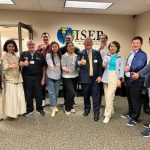
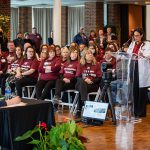
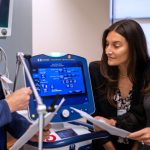
After more than 47 years of groundbreaking research and transformational clinical practice, Adriana Zeevi, PhD, ABHI (D)’s next endeavor is a bittersweet one. Recently retiring from her position as director of the UPMC Tissue Typing and Histocompatibility Laboratory, Dr. Zeevi has cemented a career that stands as one of UPMC’s most impactful employee legacies.
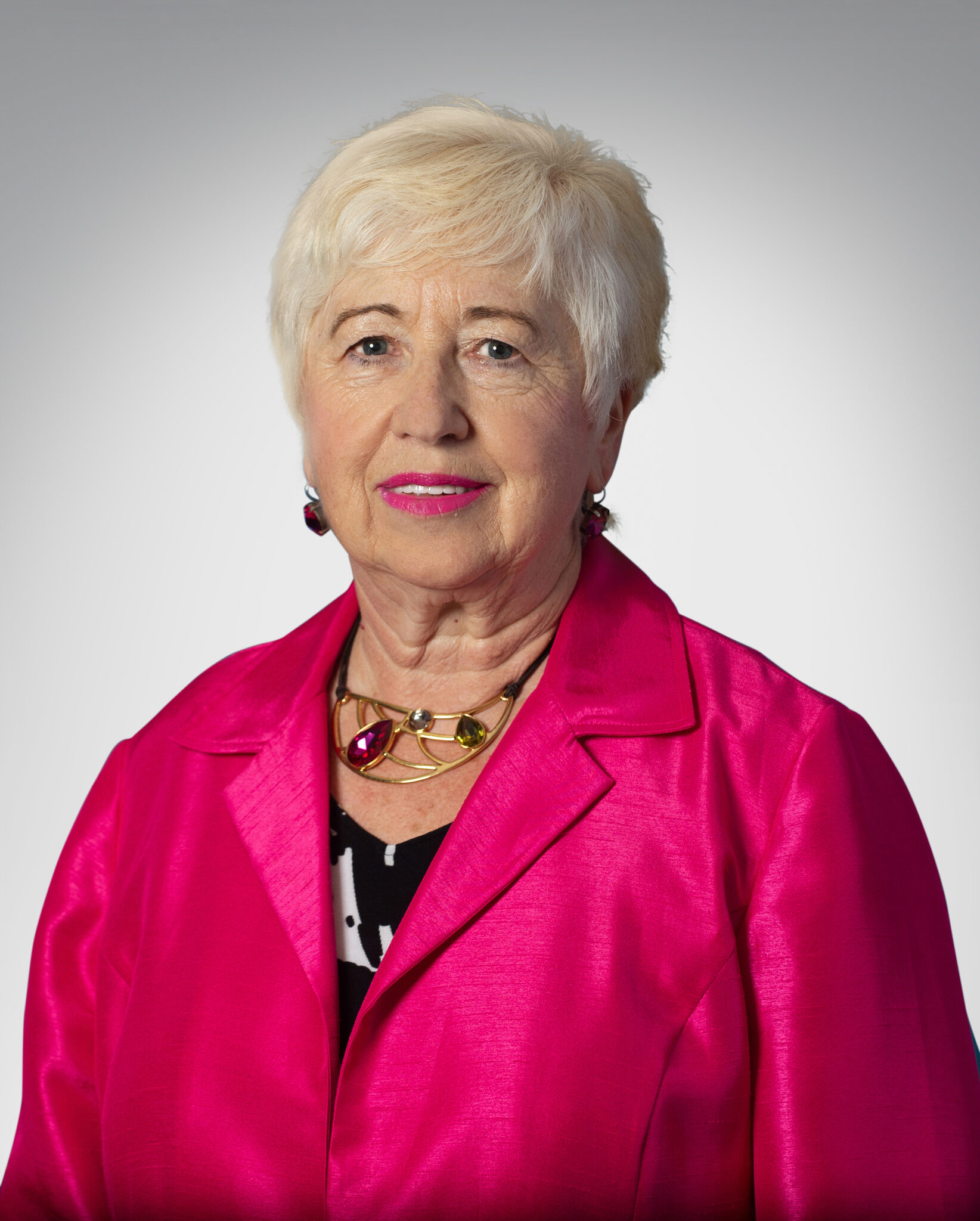
Dr. Adriana Zeevi
Her leadership is as essential as the lab itself, which provides 24-hour/7-day service to the solid organ and bone marrow transplant programs at UPMC and three other hospitals in the region with testing agreements with UPMC. The lab facilitates transplants and enhances survival by identifying the most appropriate donors and provides consultation on the sensitization status of potential transplant candidates and their status post-transplant. Dr. Zeevi’s colleagues summarize her impact directing this complex process day in and day out best: “Nothing happens without Dr. Zeevi.”
With decades of dedication to the lab and innovation in research, her expertise in both immunogenetics and histocompatibility is invaluable. While countless colleagues will miss working under her guidance, Dr. Zeevi’s lasting effect on her field will influence generations of ambitious minds looking to follow in her footsteps.
Brilliant Beginnings
Dr. Zeevi began her remarkable career at the Blood Center of Southeastern Wisconsin in Milwaukee for her post-doctoral fellowship, where she worked with Dr. Rene Duquesnoy, who is now Professor Emeritus, University of Pittsburgh School of Medicine, Department of Pathology. In 1984, both joined the University of Pittsburgh’s Department of Pathology, where Dr. Zeevi served as an assistant professor. Her move to Pittsburgh was intentional — she felt that the environment would provide unique research cases that could be applied to the growing transplant services at UPMC.
“I was so fortunate to be part of something that was evolving,” she noted. “It was the perfect time to come here, because it was the beginning of a lot of transplant immunology. It was just amazing how many things happened within a few years. And to be part of that was really an amazing journey.”
Pioneering History
Only 72 hours after being tasked by the late Thomas E. Starzl, MD, PhD, to test the potential of the then experimental agent, Dr. Zeevi and the multidisciplinary transplant team deduced that FK506 was 100 times more potent than the primary maintenance drug for solid organ transplants.
“The ability to be part of the team that developed new drugs, like FK506, which was used and is used internationally, and seeing that excitement that was here kept me going for a long time,” she reflected.
Dr. Zeevi’s other groundbreaking contributions include, but are certainly not limited to:
• Pioneering contributions to HLA immunobiology: Among the first to establish alloreactive T cell clones recognizing HLA Class I and Class II (DQ) antigens — before molecular typing was available — her work provided critical functional evidence confirming the biological significance of HLA-DQ beyond serologic identification.
• Transforming the study of immune responses in transplanted organs: She developed innovative functional assays to analyze lymphocytes directly isolated from heart and liver allografts. This groundbreaking approach enabled detailed characterization of donor-specific immune responses within transplanted organs, forming the basis for multiple NIH-funded programs and becoming widely adopted across the transplant community.
• Advancing lung transplant immunology and clinical innovation: Through pioneering work with bronchoalveolar lavage (BAL) lymphocytes, Dr. Zeevi established methods to assess alloreactivity, infection responses, and the effects of localized versus systemic immunosuppression. This work directly supported the first clinical trial of aerosolized cyclosporine in lung transplantation and set a standard for research methodologies used globally.
• Leading advancements in donor-specific antibody (DSA) testing: She introduced and implemented cutting-edge approaches for detecting and characterizing anti-HLA antibodies, including titers, complement-binding capacity, and IgG subclasses, across UPMC and affiliated institutions. Her work improved the precision of immunologic risk assessment, particularly for highly sensitized patients.
• Expanding transplant access and improving patient outcomes: By translating advanced immunologic risk stratification into clinical practice, Dr. Zeevi enabled transplantation in patients previously deemed ineligible, including complex adult and pediatric thoracic candidates. Her contributions significantly increased transplant opportunities, attracted national referrals, and improved overall patient outcomes.
Establishing Excellence
In 2000, Dr. Zeevi’s decision to take up her position directing the Tissue Typing Lab marked an added focus on clinical testing. In her role as Professor of Pathology, Surgery, and Immunology at the University of Pittsburgh’s Division of Transplantation Pathology, she led the research staff within her lab at Pitt, in addition to the clinical work she carried out at UPMC.
“I joined the clinical side, and it was another whole new career where I was so much closer to patient care and building a team,” she said. “At the end of the day, what I can take home is how much people appreciate what we do.”
“For 25 years, Adriana directed the lab that every one of our transplant programs depends on. Her consultation on complex antibody and crossmatch cases directly shaped our clinical decisions and made our patients safer,” Amit Tevar, MD, surgical director, Kidney and Pancreas Transplant Program, shared. “She helped move antibody science from the margins to the center of how we make transplant decisions, reshaping how we understand and manage rejection. She carried the Starzl standard forward, and every transplant we do today rests in part on the foundation she laid.”
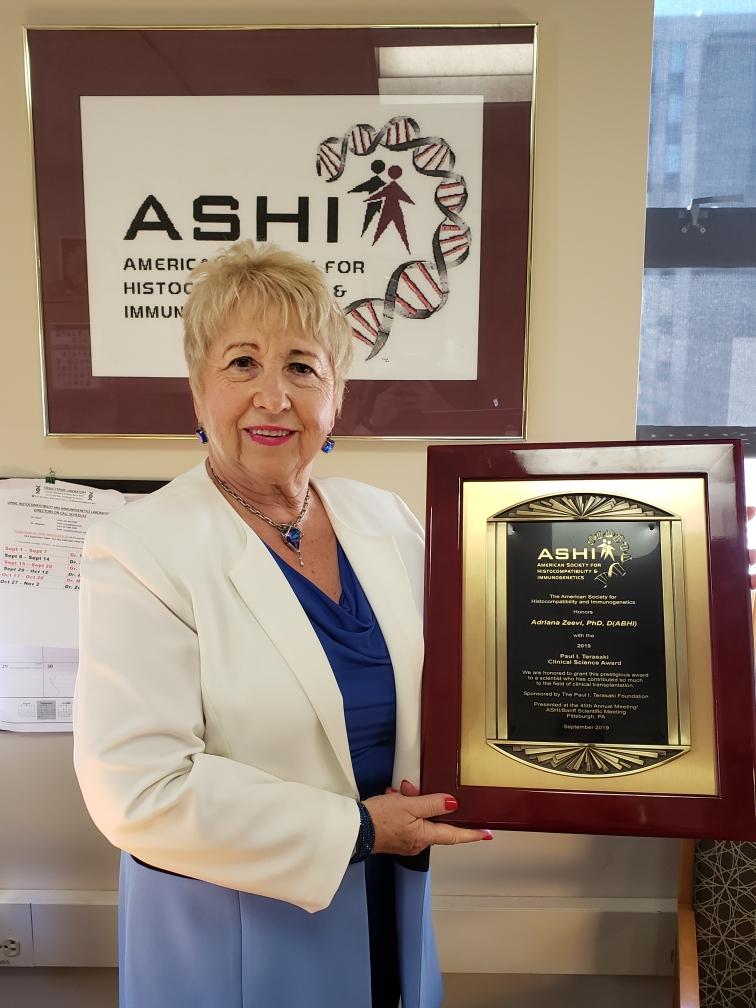
Dr. Zeevi’s impact has also been recognized through an innumerable number of awards, but for her, the most profound honors have been being named Distinguished Service Professor by the University of Pittsburgh’s Department of Pathology and receiving The Paul I. Terasaki Clinical Science Award, in 2019. The latter, which she helped establish during her tenure as President of the American Society for Histocompatibility and Immunogenetics, from 2002 to 2003, is one of the most prestigious awards in the histocompatibility field.
“For me, that was a full circle moment. I knew him [Dr. Terasaki] personally, and to be able to feel that I could accomplish something, such as an award in his name, was one of the highest accomplishments,” she reflected.
Dr. Zeevi has been honored with countless accolades, including:
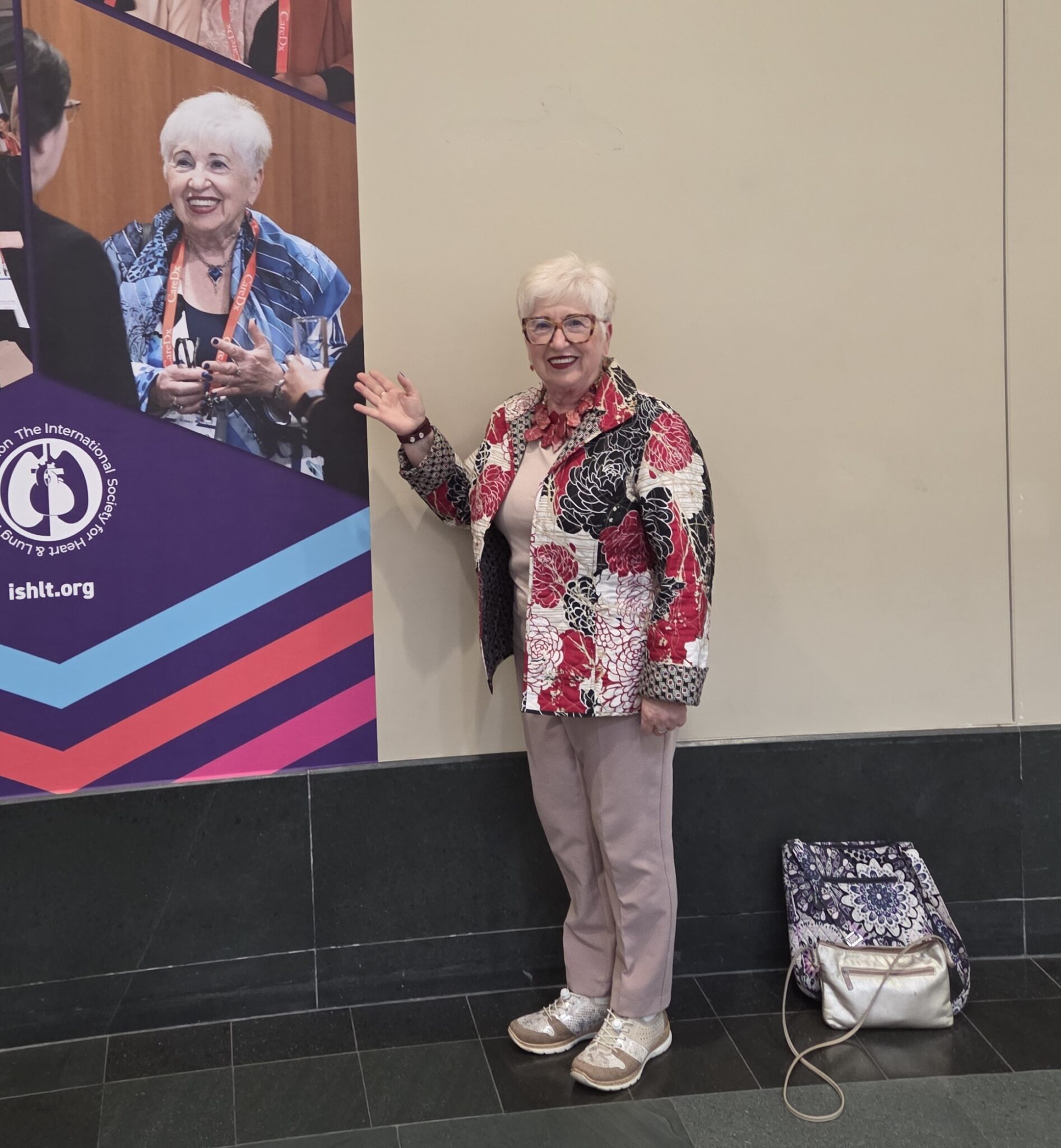
• Serving on multiple boards, including Board of Directors, International Society of Heart and Lung Transplantation, Board of Directors, American Society of Transplantation (2004-2007), American Society of Histocompatibility and Immunogenetics (councilor, secretary, and president 1997- 2003) and UNOS Board (2002-2003)
• 326 publications in peer-reviewed journals, 72 nonrefereed invited publications, 45 chapters in books, over 3,000 citations of her work, and 460 presentations at invited lectures and conference participations around the world
• American Society of Transplantation Clinical Scientific Award (2006)
• Honorary degree from medical university from her native country, Romania
A Lasting Legacy
Marking a bittersweet moment for many, countless colleagues have shared their immense gratitude for Dr. Zeevi’s influence. Receiving letters about her impact, meeting with past colleagues who traveled to recount their work together, and even being surprised with a proclamation for “Adriana Zeevi Day” from the City of Pittsburgh, Dr. Zeevi is profoundly touched by the recognition of her legacy.
“You feel very, very humble,” she noted, “It really made me feel how wonderful it is to work with people who really respect you, and I show the same respect to them because they deserve that.”
While no one will ever replicate the effect she has had on her field and UPMC, Dr. Zeevi is confident in the lab’s future growth.
“We are constantly students, and we have to constantly learn,” she emphasized, “People are the most important part of this, and if you have a group that is interested, dedicated, and also brings an excitement to say, ‘Look, we are able to do this,’ that reflects the lab and back to the institution.”
Noting “mixed emotions” about retirement, her next chapter is marked with excitement for all that’s to come, while saying goodbye to the teams and work she changed forever.
Only Dr. Zeevi herself could capture the magnitude of over 47 years of transformative research and clinical practice with a simple phrase: “Love what you do, because that’s why you excel.”
Thank you, Dr. Zeevi, for your incomparable contributions to your field, UPMC, and the countless lives changed by your enduring leadership.
Related Posts: