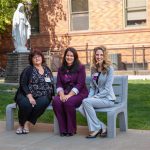
Steven Krauza, 48, of Erie, had a stroke while exercising and received clot-busting medication at UPMC Hamot within 90 minutes of his symptoms starting. A little more than a year later, he rode his bicycle 138 miles to UPMC Mercy Pavilion in Pittsburgh to thank the team that treated him.
Key Takeaways
- • Steven Krauza, 48, of Erie, had a stroke while exercising and received clot-busting medication at UPMC Hamot within 90 minutes of symptom onset.
- • UPMC Hamot, which joined UPMC in 2011, is the only certified Comprehensive Stroke Center in northwestern Pennsylvania. UPMC Hamot, UPMC Mercy, UPMC Presbyterian, and UPMC Harrisburg all hold Comprehensive Stroke Center certifications within the UPMC Stroke Institute network.
- • A little more than a year after his stroke, Krauza rode 138 miles by bicycle from UPMC Hamot in Erie to UPMC Mercy Pavilion in Pittsburgh, which opened in 2023 and houses stroke, brain injury and spinal cord injury rehabilitation services.
- • Trevor Phinney, D.O., the UPMC Hamot neurologist who treated Krauza, said his story shows that stroke can affect people at any age or fitness level.
- • The Centers for Disease Control and Prevention reports that 10% to 15% of strokes occur in adults ages 18 to 50, and patients treated within three hours of symptom onset often have less resulting disability.
On July 17, 2025, Krauza was doing push-ups during his usual sunrise workout when his left hand started feeling strange.
“I thought maybe I pinched something, so I shook it off,” said Steven, 48, of Erie. “After about five minutes, I went to grab my coffee mug and my hand didn’t work. I knew something wasn’t right.”
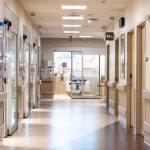
Krauza woke his wife and told her he thought he was having a stroke. Thirty minutes later he arrived at UPMC Hamot, where he received clot-busting medication within 90 minutes of his symptoms starting. After a night in the intensive care unit (ICU), he was discharged the next day with only mild lingering deficits.
“By the grace of God, I was lucky that it was as mild as it was,” he said. “I realize how close it could have been to being a much different outcome.”
Erie Stroke Survivor Bikes 138 Miles to UPMC Mercy Pavilion
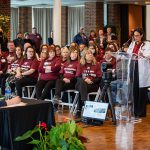
On August 21, 2026, a little more than a year after his stroke, Krauza set off on a 138-mile bicycle ride from the front lawn of UPMC Hamot in Erie to UPMC Mercy Pavilion in Pittsburgh, cheered on by members of his UPMC Hamot care team.
The destination carried meaning. UPMC Mercy Pavilion opened in 2023 on the UPMC Mercy campus and houses centers of excellence in stroke, brain injury and spinal cord injury rehabilitation.
“As I got closer to Pittsburgh, the emotions started to fly,” he said. “I fought tears of joy, tears of relief, tears of gratitude, tears of victory.”
As family, supporters and UPMC clinicians greeted him at UPMC Mercy Pavilion, Krauza said he was overwhelmed.
“I’m typically the person who likes to make a big deal about others,” he said. “I’m so grateful and humbled to have so many people celebrating me.”
Trevor Phinney, D.O., a board-certified neurologist who treated Krauza at UPMC Hamot, said it’s rare to witness this kind of recovery.
“People can recover from strokes. We have the technology and the therapists. But to see someone recover to this degree, where they are doing things above and beyond what a typical person can physically do, it feels great,” he said.
UPMC Hamot Is the Only Comprehensive Stroke Center in Northwestern Pennsylvania
UPMC Hamot became part of UPMC in 2011 and achieved Comprehensive Stroke Center certification in 2018. It remains the only certified Comprehensive Stroke Center in northwestern Pennsylvania, giving patients in the region local access to advanced imaging, neurocritical care, specialized stroke teams and interventional treatments around the clock.
A Comprehensive Stroke Center is a hospital certified to provide the highest level of care for complex strokes, including advanced imaging, neurosurgical treatment and around-the-clock specialized stroke teams, according to certification standards used by The Joint Commission and the American Heart Association.
UPMC Stroke Institute Links Hospitals Across the System
Every UPMC hospital is connected to a systemwide network of neurologists, neurosurgeons, emergency medicine specialists and rehabilitation professionals through the UPMC Stroke Institute. UPMC Hamot, UPMC Mercy, UPMC Presbyterian, and UPMC Harrisburg are all certified Comprehensive Stroke Centers, and additional UPMC hospitals hold Primary Stroke Center certification.
Know the Signs of a Stroke and Why Fast Treatment Matters
According to the Centers for Disease Control and Prevention, about 10% to 15% of strokes occur in adults ages 18 to 50, and the American Heart Association reports that ischemic strokes are increasing among younger adults.
“It’s increasingly common to see younger people coming into the emergency room with signs of stroke,” said Dr. Phinney. “Most are not as fit as Steven, but it’s just more proof that it can happen to anybody.”
The CDC reports that patients who reach an emergency department within three hours of their first symptoms often have less disability than those whose care is delayed. Anyone experiencing sudden weakness or numbness, difficulty speaking, vision changes, dizziness, loss of balance or a severe unexplained headache should call 911 immediately.
“I never thought in a million years, at the age of 47, that I would have had a stroke,” Steven said.
Frequently Asked Questions
Q: What are the warning signs of a stroke?
A: Sudden weakness or numbness, difficulty speaking, vision changes, dizziness, loss of balance or a severe unexplained headache can signal a stroke. Anyone with these symptoms should call 911 immediately.
Q: What is a Comprehensive Stroke Center?
A: It’s a hospital certified to provide the highest level of care for complex strokes, including advanced imaging, neurosurgical treatment and around-the-clock specialized stroke teams, according to certification standards used by The Joint Commission and the American Heart Association.
Q: How quickly should stroke treatment begin after symptoms start?
A: The CDC reports that patients who arrive at an emergency department within three hours of their first symptoms often experience less disability than those whose care is delayed. Steven Krauza received clot-busting medication within 90 minutes of his symptoms starting.
Additional Resources
- Press contact: Liz Reid, ReidE4@upmc.edu
- Multimedia: Media kit available upon request.
- Related UPMC coverage:
- • https://inside.upmc.com/upmcs-stroke-camp-offers-survivors-and-caregivers-an-unforgettable-experience/
• https://inside.upmc.com/upmc-study-finds-faster-stroke-transfers-and-enhanced-access-to-lifesaving-care-with-instant-scan-sharing-across-hospitals/
• UPMC Harrisburg Achieves Highest Level of Stroke Care Certification
• Stroke Warning Signs Often Overlooked in Pregnancy, Pitt Study Finds
• https://share.upmc.com/2025/11/understanding-stroke-effects/
• https://share.upmc.com/2025/08/jps-story-mild-stroke/ - • https://share.upmc.com/2025/08/silent-stroke/
- • https://share.upmc.com/2024/12/cryptogenic-strokes/
Related Posts: