Empowering Communities to Save Lives: UPMC and Pitt’s Commitment to Cardiac Arrest Survival
By: Sierra Lomax
When someone experiences cardiac arrest, every second counts. Survival often depends on more than advanced clinical care—it begins in the community. Recognizing this, UPMC and the University of Pittsburgh have partnered with community groups to break down barriers and empower everyday people to become lifesavers.
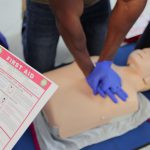
“The clinical work doesn’t matter if the patient doesn’t get to us,” said Ankur Doshi, M.D., emergency medicine physician at UPMC, and co-director of the University of Pittsburgh Center for Cardiac Arrest Survival (CCAS). This insight sparked Project Community LIFESAVER, an initiative designed to provide bystander CPR training to residents in marginalized neighborhoods starting with the Hill District, McKees Rocks and Oakland.
Through partnerships with organizations like the Neighborhood Resilience Project (NRP) and Focus on Renewal, the program offers a nine-hour training course that teaches performing CPR, interacting with EMS and 911, and how to properly administer Narcan. Community volunteers also learn about Good Samaritan laws and receive support to manage the emotional impact of responding to emergencies.
The initiative also invests in future public health leaders. Undergraduate students from Pitt’s School of Public Health serve as trainers, gaining hands-on experience and mentorship.
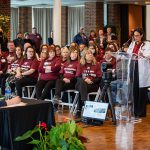
“This program is community building,” said Tracey Joiner, director of community health and support at the Neighborhood Resilience Project. “People that wouldn’t normally cross each other’s paths are sitting together and interacting in the cohorts.”
So far, more than 230 people have completed CPR training, with over 100 volunteers certified in the Hill district alone.
Bystander intervention rates in Pittsburgh have climbed to about 41%, just slightly above the national average. However, there are still some significant barriers to overcome. According to the Journal of American Heart Association, research shows women are less likely to receive CPR than men, often due to misconceptions about how cardiac arrest presents in women. Addressing these biases is part of the program’s broader mission to normalize lifesaving action.
Program LIFESAVER has since expanded its programming to the public with cohorts now held at the NRP’s Clairton location. Dr. Doshi’s hope is to eventually have every healthcare professional in Allegheny County sign up.
For more information about the Project Community LIFESAVER program, or to request free CPR training for your organization, please visit www.pittccas.org.